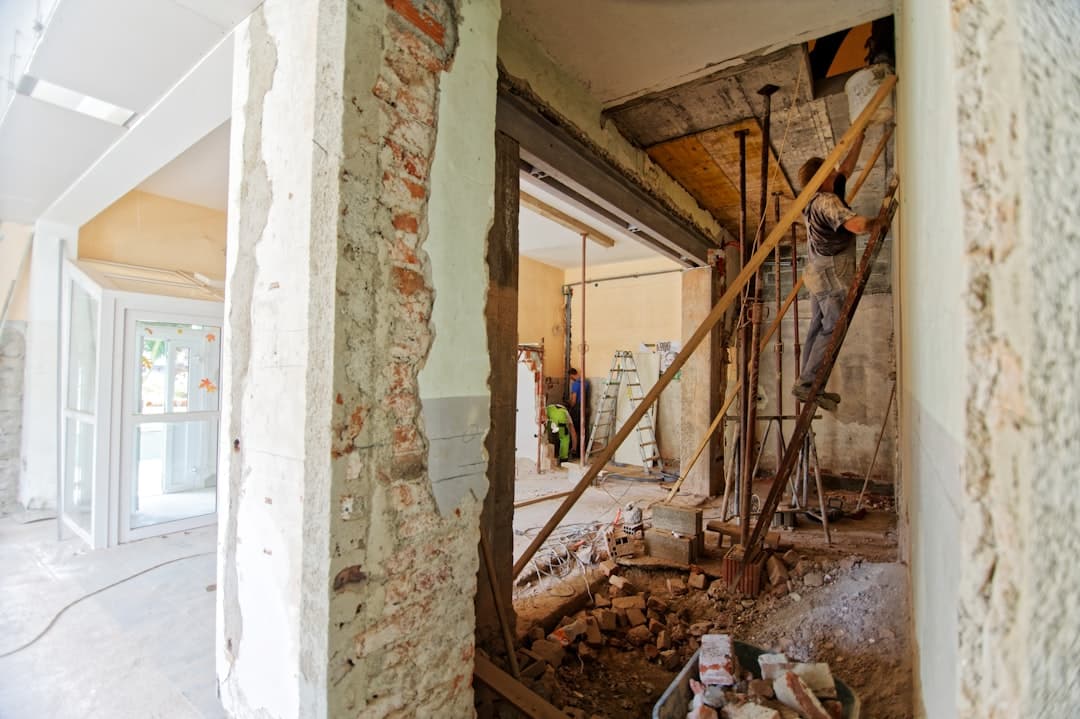
How to Plan a Whole-Home Remodel
A whole-home remodel is exciting, but without a clear plan it can quickly become overwhelming. Thoughtful preparation is what separates a smooth renovation from a stressful one. If you are getting ready to transform your Fremont home, this guide walks you through the planning steps that set every successful project up for success.
Define Your Goals and Priorities
Start by asking what you want the finished home to feel like and how you actually live in it. Make a list of must-haves versus nice-to-haves, and rank them. This clarity guides every later decision and keeps you focused when trade-offs arise.
Think about the long term, too. Are you remodeling to stay for decades, or to sell within a few years? Your timeline shapes how much to invest in personalized touches versus broadly appealing, resale-friendly choices.
Set a Realistic Budget
Establish a total budget and then break it down by area, keeping in mind that kitchens and bathrooms consume the largest share per square foot. Always build in a contingency of 10 to 20 percent for the surprises that older homes inevitably reveal.
Be honest with yourself about priorities. It is better to fully finish a few spaces than to spread the budget so thin that nothing feels complete. A contractor can help you align your wish list with what your budget can realistically deliver.
Plan the Sequence of Work
Whole-home remodels follow a logical order. Structural and mechanical work — framing, plumbing, electrical, and HVAC — comes before drywall, and finishes like flooring, cabinetry, and paint come last. Getting this sequence right avoids costly rework.
Your contractor will coordinate the trades so each step happens in the correct order. Understanding the flow helps you anticipate what is coming and make finish selections early, before the schedule depends on them.
Decide Whether to Live Through It
Living in a home during a full remodel is possible but demanding. Dust, noise, and limited access to kitchens and bathrooms wear on a household quickly. For extensive projects, many families choose to move out temporarily, which can also let crews work faster.
If you do stay, set up a temporary kitchen, seal off work zones, and agree on daily schedules with your contractor. Planning these logistics in advance prevents a lot of mid-project frustration.
Handle Permits and Design Early
Design decisions and permits should be locked in before demolition begins. Finalizing layouts, materials, and fixtures up front prevents expensive changes once work is underway. Permits can take time to secure, so start early.
Working with a contractor who manages design coordination and permitting takes a major burden off your shoulders. It also ensures the finished work meets code and passes inspection without delays.
A whole-home remodel is a big undertaking, but the right plan and the right team make all the difference. Fremont Home Renovations helps homeowners in Fremont, CA plan, budget, and execute renovations from start to finish. Call 510-224-5913 today for a free consultation and let's map out your project together.